

Advanced Longevity Bloods
Our advanced blood panel, this comprehensive assessment includes monitoring of the entire body from cancer markers to thyroid function.

Experience the highest standard in preventative care with our OPTIMUM plan - a doctor-designed assessment created to provide the most complete view of your health at a competitive price.
Consultations with experienced clinicians.
Treatment guided by the latest medical evidence.
Ongoing reviews and blood testing.
Manchester clinic or remote appointments.
Our advanced blood panel, this comprehensive assessment includes monitoring of the entire body from cancer markers to thyroid function.
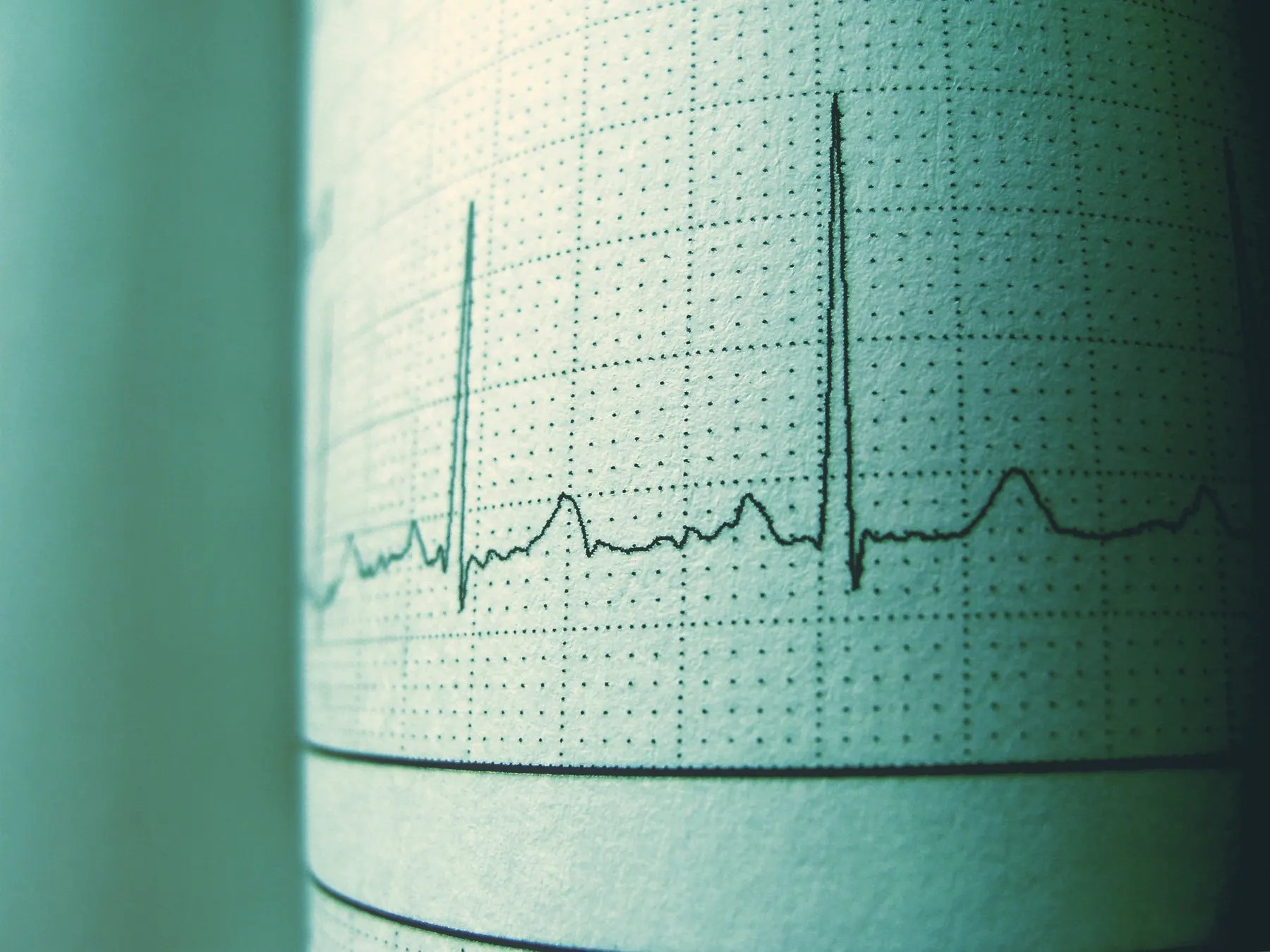
An ECG, also known as a heart trace, gives your clinician an understanding of the rhythm of your heart and its pace.

The most detailed assessment of the composition of your body without exposure to harmful radiation.

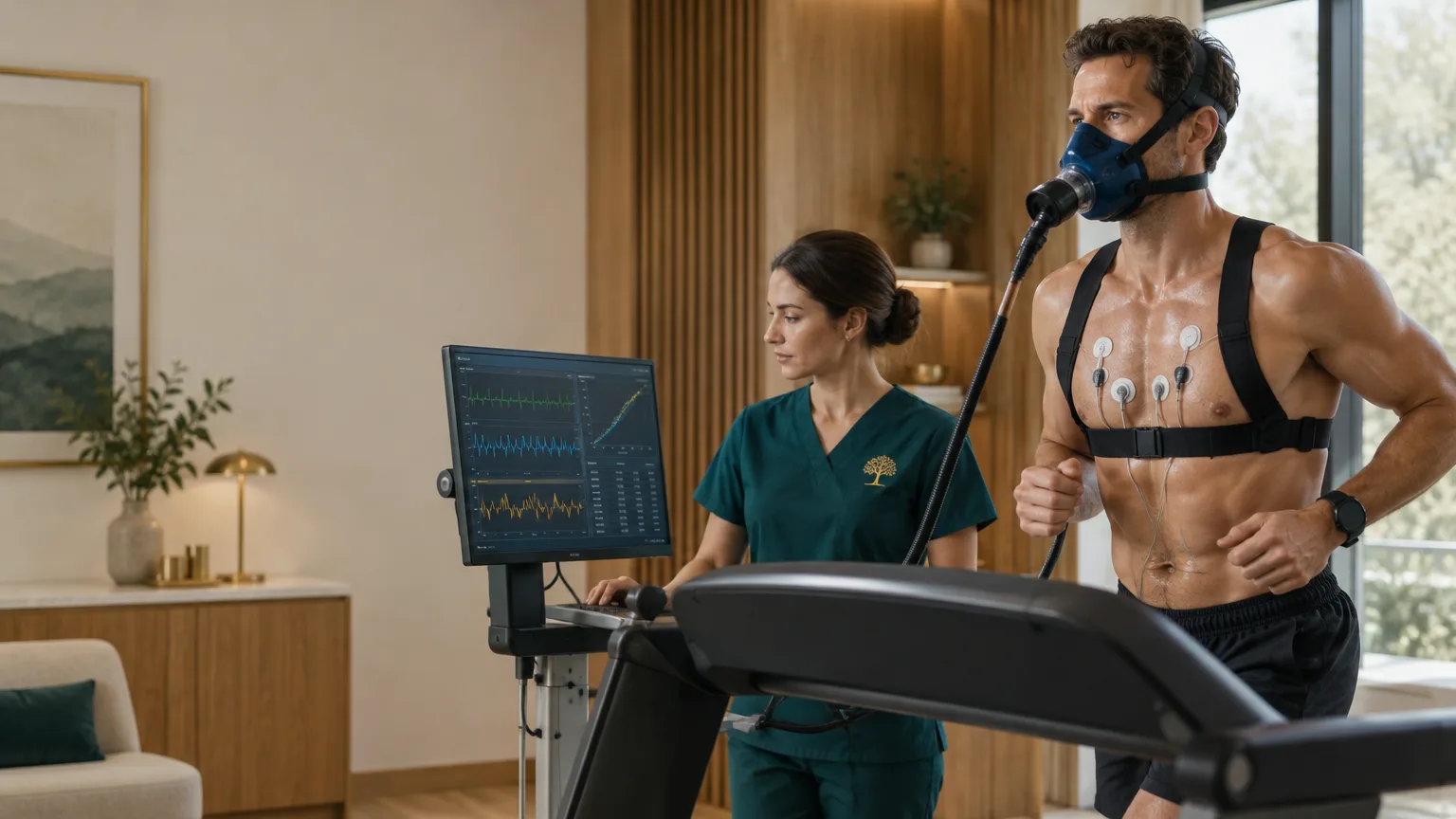
Develop a detailed understanding of your cardio-respiratory health with a VO2 Max test.

Understand the exact calorie requirements and metabolic demands of your body at rest.

A more comprehensive assessment of the rhythm of the heart, used to detect paroxysmal rhythm issues.

A live heart scan in which we can identify issues with the muscles and valves of the heart.

A 30 minute consultation with one of our senior clinicians in which they complete a head to toe assessment.

A 30-minute consultation with a certified nutritionist to examine areas for further development in diet and lifestyle.

During this one hour appointment, our sports scientist will undertake a functional assessment in which they will assess the pillars of functional health.
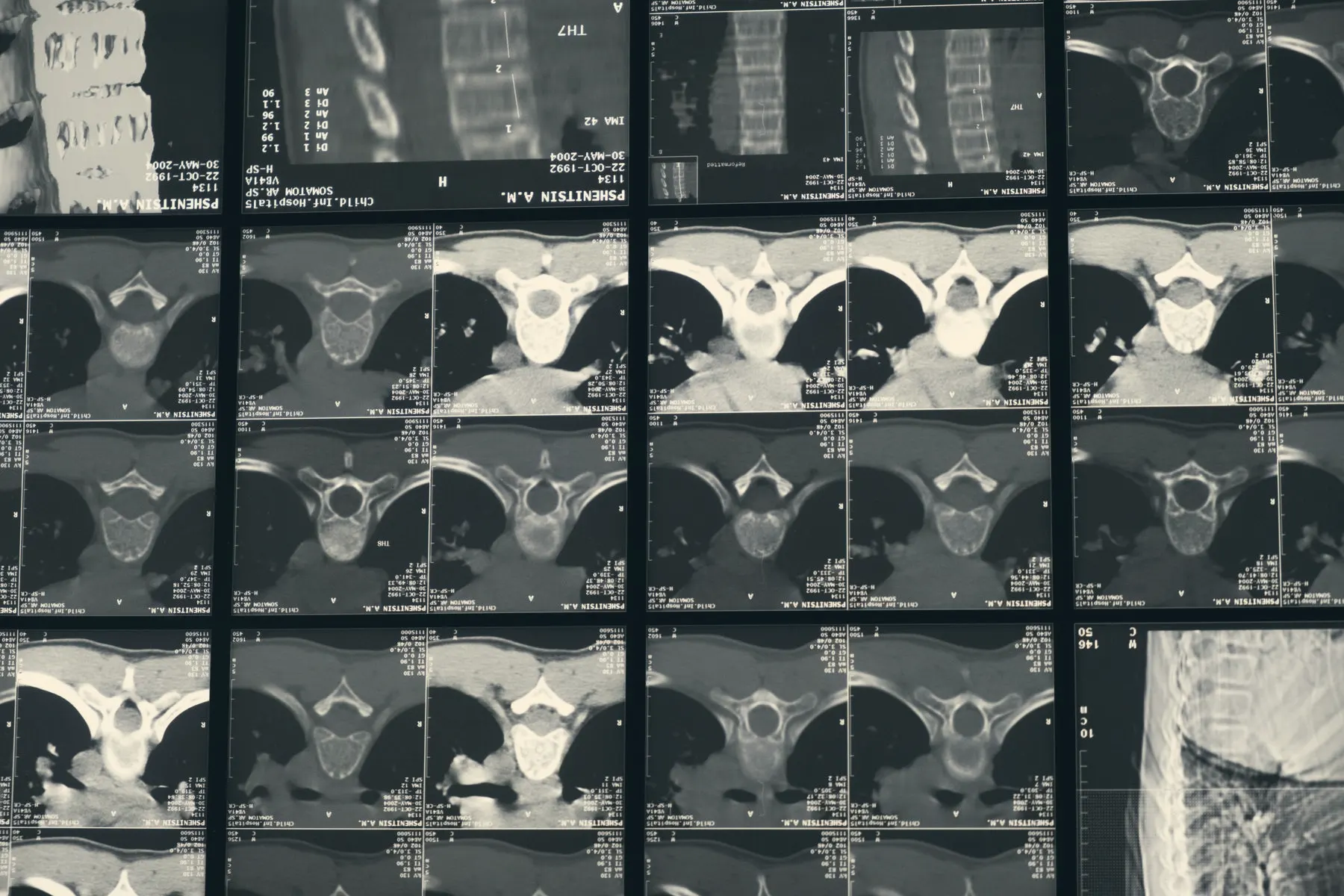
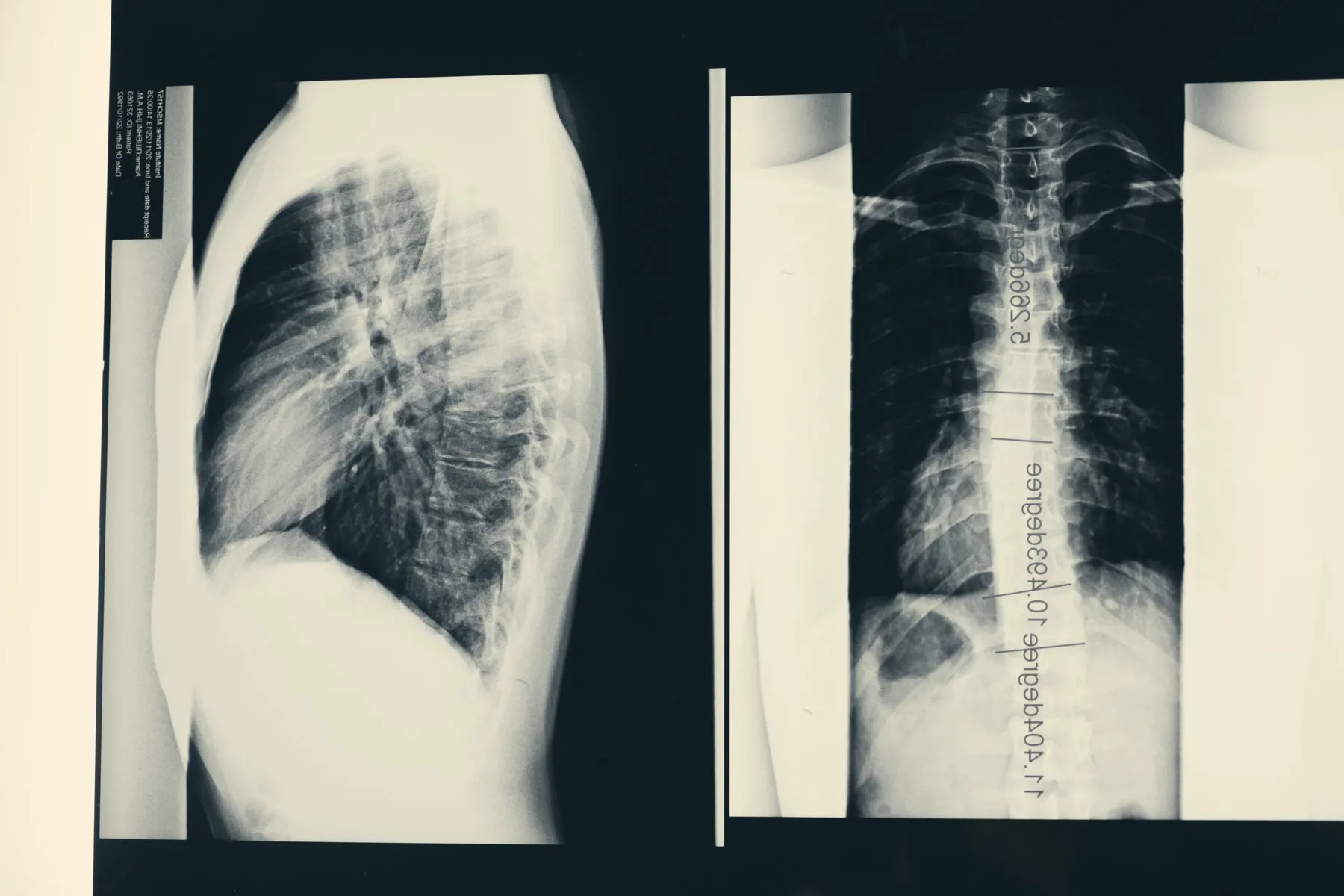
Dexa scans are used for the assessment of bone density to assess fracture risk.
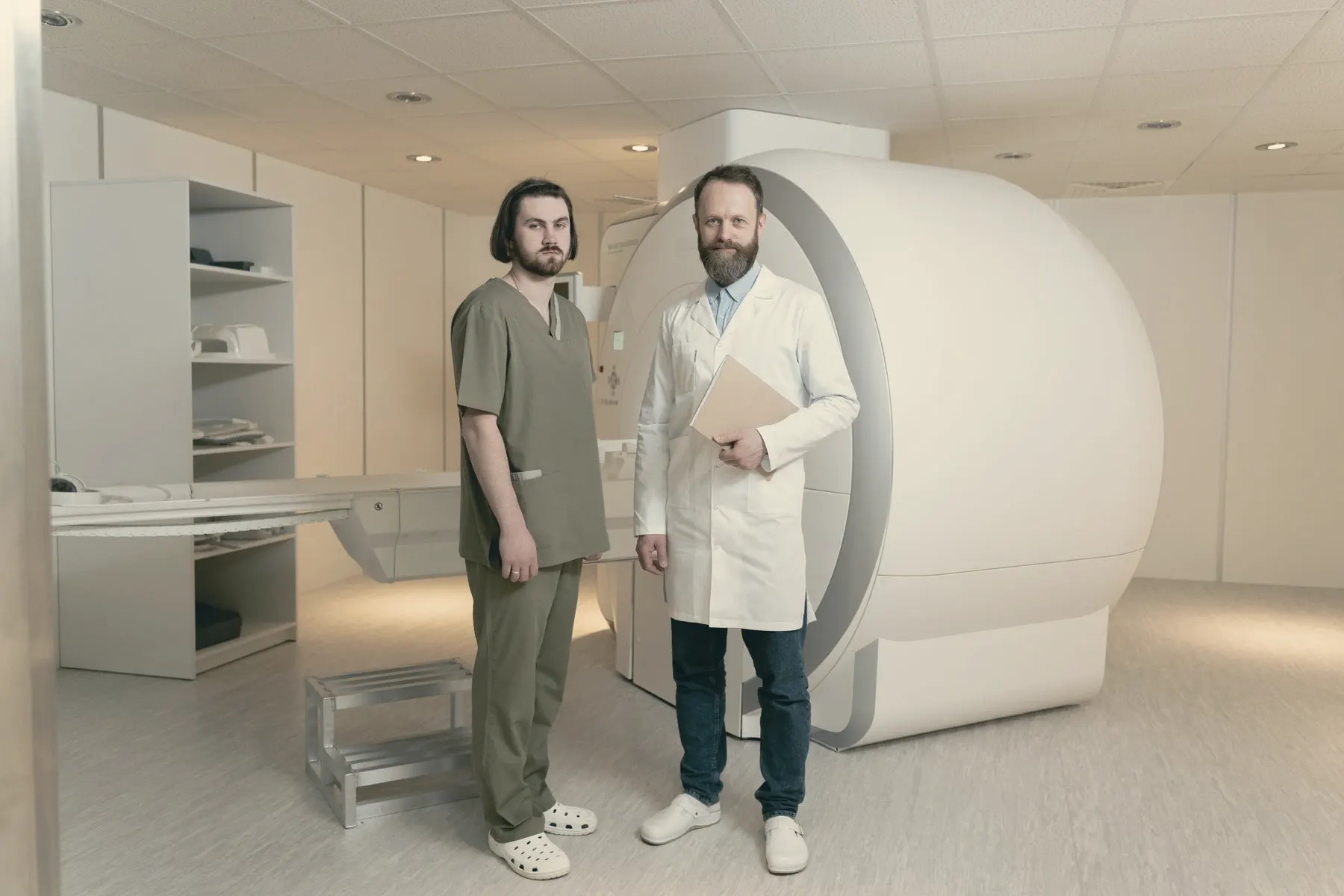
An MRI angiogram provides a detailed, non-invasive view of blood vessels to detect blockages, aneurysms, or vascular abnormalities early.
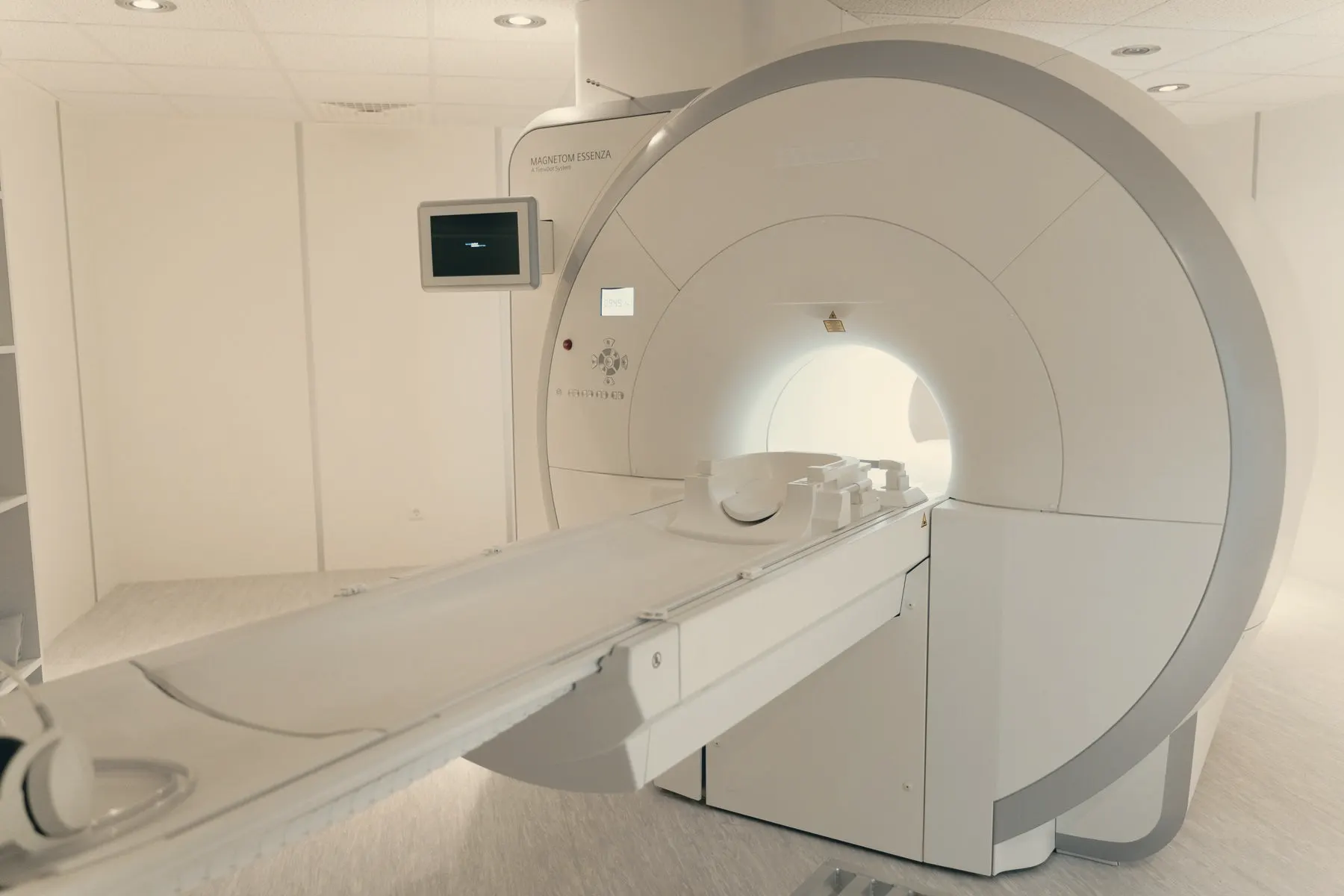
Full Body MRI scans are used to detect issues with the anatomy of the body including tumours.
An indicative itinerary of your assessment at our Deansgate clinic. Your exact schedule is confirmed by our team when you book, and is built around the tests agreed with your doctor.
We record your blood pressure, blood oxygen, heart rate and temperature to give your clinician a clear baseline.
Our 74-biomarker blood profile, plus the samples for DNA testing of inherited risk and epigenetic testing of your biological age.
A heart trace that shows your clinician the rhythm and pace of your heart.
Measured at rest to show the exact calorie requirements and metabolic demands of your body.
A detailed, radiation-free picture of body fat, visceral fat, muscle mass and water retention.
Assesses bone density and fracture risk, with a precise breakdown of muscle, fat and visceral fat.
A live ultrasound scan of the heart muscle, valves and surrounding structures.
A graded exercise test measuring the maximum oxygen your body uses, a strong marker of cardio-respiratory fitness.
A functional assessment of strength, balance, mobility and the other pillars of physical health.
Time to rest and refuel before the rest of your assessment.
A 30-minute review of your diet and lifestyle with a certified nutritionist.
A 30-minute head-to-toe assessment with a senior doctor covering your history, lifestyle and any concerns.
A small monitor is attached to your chest to record your heart rhythm over the following days.
Radiation-free imaging of the whole body and the vessels around the heart. Usually scheduled as a separate appointment.
Your clinician reviews every result and builds your personalised health plan.
The OPTIMUM plan was designed for those wanting to continue living to the fullest. This plan was designed to identify any possible issues early, allowing our clients to remedy the problems and continue living well.
With this plan you will:

An advanced progression from our PREVENT plan, OPTIMUM is designed to detect potential health risks before they become serious. At its core is a team of expert clinicians committed to safeguarding your long-term health. Each year, you’ll attend our clinic for a full day of in-depth evaluations. Please note: all MRI and DEXA scans are carried out at our partner facilities within the city.
With OPTIMUM, you don’t just monitor your health - you take full control of it. Invest in a longer, healthier life with the most thorough assessment we offer.
Once your health check is complete, you will have a more profound understanding of your body than ever before.

Select the Karma+ plan that’s right for you, or speak to our team and we’ll guide you to the most appropriate assessment.
Depending on your plan, your assessment may combine advanced blood testing, advanced cardiovascular assessment, VO2 Max, Body Composition and diagnostic imaging.
Your results are clinically reviewed by our doctors and brought together into one clear personalised picture of your health.
We explain what matters, what can be optimised and what should be monitored with a tailored plan to help you move forward.

A step up from our Longevity Bloods profile, the Advanced Blood profile is a complete check of the body including 74 clinical biomarkers ranging from stress health and diabetes health to cancer markers.
| Test | What it helps identify |
|---|---|
| Full Blood Count | Leukaemia | Anaemia | Clotting Disorders | Infection |
| Hba1c | Diabetes |
| Lipid Profile | Raised Cholesterol | Stroke | Heart Attack |
| Liver Function Tests | Liver and Gallbladder Disease |
| Urea And Electrolytes | Abnormal Electrolyte Levels | Chronic Kidney Disease |
| Stress Health | Chronic High Stress Levels |
| Thyroid Function Tests | Hypothyroidism | Hyperthyroidism |
| Iron Health | Iron Deficiency Anaemia | Bowel Cancer (Proxy Marker) |
| Hormone Health | Menopause | Low Testosterone | Fertility Problems |
| Nutritional Health | Vitamin D Deficiency | Nutritional Deficiencies | Electrolyte Abnormalities |
| Heart Health | Highly Sensitive Cholesterol Markers (incl LPa) |
| Tumour Markers | Pancreatic Cancer | Ovarian Cancer | Bowel Cancer | Prostate Cancer | Breast Cancer |
Your chronological age reflects how long you have been alive, but it does not necessarily reflect how well your body has aged. Epigenetic testing analyses patterns of DNA methylation to estimate your biological age and provide insight into how lifestyle, environmental factors and disease have influenced the ageing process. Research has demonstrated that accelerated biological ageing is associated with an increased risk of cardiovascular disease, cancer, cognitive decline and all-cause mortality. Although this is an emerging field and should not be used as a standalone diagnostic tool, repeated testing allows us to monitor whether interventions such as improved nutrition, exercise, sleep optimisation and weight management are positively influencing your biological ageing trajectory, helping to guide personalised longevity strategies.
Your DNA provides a blueprint for your lifelong health. While our genes cannot be changed, understanding them allows us to identify inherited risks long before disease develops. DNA testing can identify genetic variants associated with conditions such as hereditary cancers, cardiovascular disease, familial hypercholesterolaemia and altered medication metabolism. This information enables clinicians to personalise screening programmes, implement preventative strategies earlier and prescribe medications that are more likely to be effective while reducing the risk of adverse effects. Rather than predicting your future with certainty, DNA testing helps us understand where your greatest risks lie, allowing prevention to begin decades before symptoms ever appear.
ECGs are vital markers of cardiac health. An ECG, also known as a heart trace, gives your clinician an understanding of the rhythm of your heart and its pace. This allows us to identify underlying heart abnormalities which may increase your risk of strokes and collapses. The rate of your heart can also act as a surrogate marker for overall cardiac health.
A full set of clinical observations annually includes an assessment of blood pressure, blood oxygen, heart rate and temperature. This provides your clinician with a baseline to identify basic problems with the heart, lungs or signs of infection.
At Karma, we do not use outdated and simplistic metrics such as Body Mass Index. Instead, our body composition scanner gives you an in-depth understanding of your body from “bad” fat around the waist and body fat percentage to water retention and muscle mass.
The VO2 max refers to the maximum rate of oxygen the body consumes during exercise. The VO2 Max acts as a good proxy marker for overall cardiorespiratory fitness. A high VO2 max indicates better fitness and a longer predicted lifespan. In contrast, a low VO2 max is associated with increased risk of cardiovascular disease. Work by Mandsager et al., demonstrated an improvement in VO2 max from low to above average decreased mortality by more than 50%. This paper, and many others highlight the importance of regular VO2 max testing to monitor lifelong fitness and mortality risk.
The Resting Metabolic Rate test is the gold standard test to understand your body’s basic energy demands. As such, an RMR provides valuable insights for diet planning, basal heart rate and basic energy needs. This allows clients to maintain, lose or gain weight as desired in a stable and safe manner.
An ECHOcardiogram is an ultrasound-based scan of the heart. This is a non-invasive procedure during which gel is applied to your chest wall and a probe is used to look at the health of the heart muscle, valves and surrounding areas. This is considered to be one of the most accurate tests to look at the health of the heart and is used in hospitals globally. We recommend a screening ECHO at least every three years to most clients as this provides plenty of time to identify changes in the heart that occur with aging or disease.
A Holter Monitor is a heart monitor which is attached to the chest wall (via adhesive strips) to monitor the rhythm of the heart over days. Most people have regular heart rhythms however as we age the risk of abnormal rhythms increases dramatically. Some of these rhythms are permanent, called persistent, and some occur sporadically, called paroxysmal. An ECG can identify a permanent rhythm however they will often miss paroxysmal rhythms. A holter monitor is vital to identify paroxysmal rhythm issues such as Atrial Fibrillation which increase the risk of many diseases such as strokes by up to 500%. We recommend a screening Holter Monitor at least every three years to most clients as this provides plenty of time to identify paroxysmal rhythm issues which, if untreated, may leave clients with permanent neurological difficulties.
Our 30-minute clinical consultation with a senior medical doctor provides plenty of time to address concerns, discuss your medical background and ongoing lifestyle factors. During this consultation, you will have:
Traditional healthcare clinics focus solely on the disease however they rarely address the cause of disease. Poor diets have been linked to type 2 diabetes, high blood pressure and certain bowel diseases including cancers. During your 30-minute consultation with a certified nutritionist, you will discuss your current dietary habits, intake and deficiencies. The nutritionist will ask you questions about your dietary habits and will feed this information with recommendations back to the senior doctor.
Similar to nutritionists, sports scientists are rarely involved in healthcare settings despite the importance of general fitness in health. From balance issues leading to falls and broken hips to weak muscles leading to difficulties with mobility, the musculoskeletal system is vital to ongoing wellness. Our one-hour sports scientist consultation includes a functional assessment during which the clinician will review the pillars of function including balance, mobility, strength and flexibility.
The density of our bones is closely linked to mortality rates in the elderly. As our bones become thinner, they become more fragile and therefore susceptible to breakage by the smallest injury. A 2014 paper by Mundi et al., published in acta orthopaedica noted that the one-year mortality after a hip fracture was 70% if no surgery is performed. However, even if surgery is performed 20% of patients will still sadly pass away. We believe a better solution is to prevent the fracture initially. DEXA scans tell your clinician about bone density and therefore the risk of fractures. If clients undergo regular DEXA scans (at least every 3-5 years), we can identify this problem and rectify the frail bones before the fracture occurs.
Body weight alone tells us very little about overall health. Two individuals may weigh exactly the same but have vastly different proportions of muscle, fat and visceral fat, resulting in very different risks of developing chronic disease. DEXA body composition scans provide the most accurate assessments of body fat percentage, lean muscle mass and visceral adipose tissue. Excess visceral fat is strongly associated with cardiovascular disease, type 2 diabetes and premature mortality, whilst declining muscle mass (sarcopenia) is linked to frailty, falls and loss of independence later in life. By performing regular DEXA body composition scans every 6-12 months, we can objectively monitor changes in muscle and fat, allowing targeted interventions through nutrition, exercise and medical treatment before significant health consequences develop.
A cardiac MRI angiogram is a non-invasive imaging test that provides highly detailed pictures of the blood vessels and structures surrounding the heart. It is particularly useful for detecting abnormalities such as coronary artery disease, congenital heart defects, aneurysms, or blockages in the coronary arteries. Unlike traditional angiography, this scan uses no radiation and offers exceptional clarity without the need for invasive catheters. It allows clinicians to assess both the structure and function of the heart in a single test. Ideal for those at risk of heart disease, a cardiac MRI angiogram supports early diagnosis and long-term cardiovascular health management.
At Karma, we utilise full-body MRI scans to identify any solid anatomical abnormalities. Such abnormalities can vary from tumours to aneurysms and adhesions. Given the range of pathologies we can identify with a full-body MRI scan, we believe many of our clients would benefit from such a scan. This will provide early diagnosis and treatment rather than waiting for symptoms to occur and presenting to the hospitals too late.

Enquire about your health check today and invest in a healthier, happier future.