
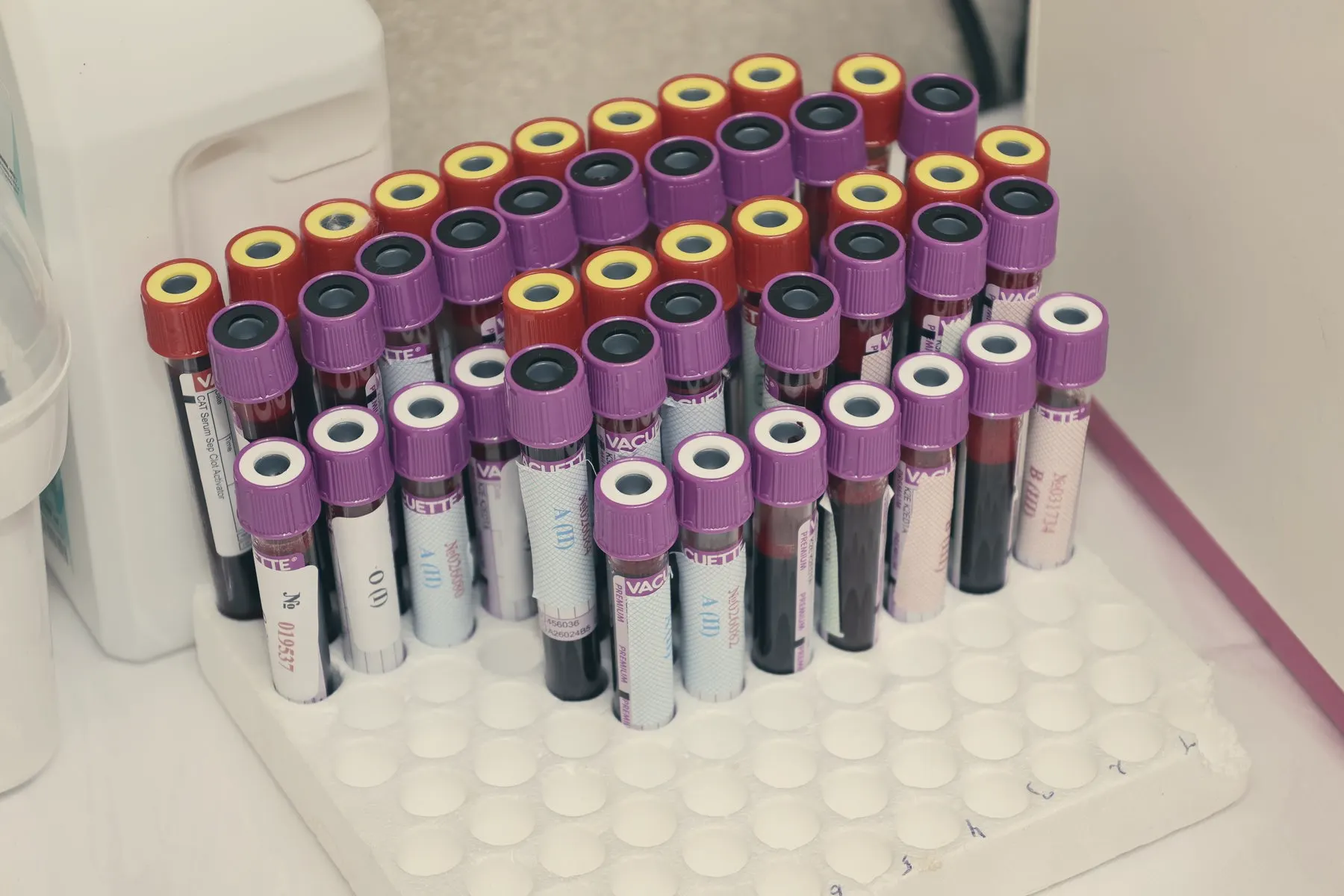
Blood Tests
Our blood panel focused on cardiac health and inflammation.

At Karma Health, our comprehensive Cardiac Health Assessment is designed to give you a clear picture of your heart’s wellbeing.

Consultations with experienced clinicians.
Treatment guided by the latest medical evidence.
Ongoing reviews and blood testing.
Manchester clinic or remote appointments.
Our blood panel focused on cardiac health and inflammation.
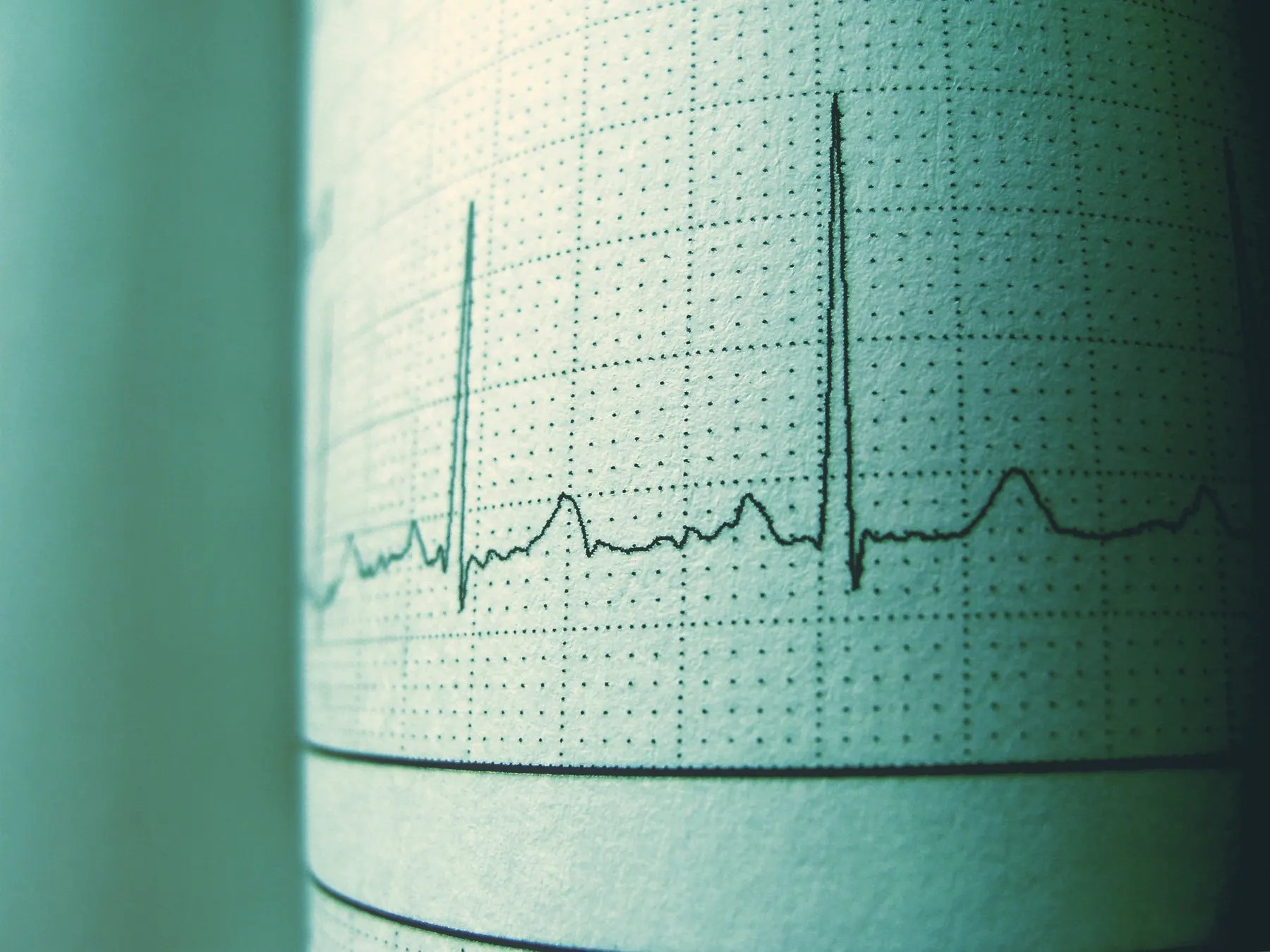
An ECG, also known as a heart trace, gives your clinician an understanding of the rhythm of your heart and its pace.

A 30 minute consultation with one of our senior clinicians in which they complete a head to toe assessment.

A more comprehensive assessment of the rhythm of the heart, used to detect paroxysmal rhythm issues.

A live heart scan in which we can identify issues with the muscles and valves of the heart.
Our Cardiac Health Assessment is ideal for:
- Anyone experiencing symptoms such as chest pain, palpitations, breathlessness, or fatigue.
- Those with a family history of heart disease
- Clients with high cardiovascular risk factors like high blood pressure or cholesterol
- Individuals seeking a proactive approach to their long-term heart health, whether you’re starting a fitness journey, managing stress, or simply want reassurance about your cardiovascular wellbeing.
- High-performing athletes wanting to ensure their heart remain healthy throughout their sporting career.

Whether you’re experiencing symptoms or simply want peace of mind, this in-depth evaluation helps detect early signs of cardiovascular issues. Our expert clinicians will guide you through every step, ensuring your heart health is in safe hands.
The assessment also includes a review of the results after one week, remotely or in person.

Choose your test online or speak to our team, who will confirm any preparation needed.
Attend our Deansgate clinic for your appointment with an experienced clinician.
Your results are reviewed by our clinicians, usually within 5 working days (depending on test).
The Cardiac Blood profile is a complete check of the heart and inflammation
| Test | What it helps identify |
|---|---|
| Full Blood Count | Leukaemia | Anaemia | Clotting Disorders | Infection |
| Hba1c | Diabetes |
| Lipid Profile | Raised Cholesterol | Stroke | Heart Attack |
| Liver Function Tests | Liver and Gallbladder Disease |
| Urea And Electrolytes | Abnormal Electrolyte Levels | Chronic Kidney Disease |
| Thyroid Function Tests | Hypothyroidism | Hyperthyroidism |
| Heart Health | Highly Sensitive Cholesterol Markers (incl LPa) |
ECGs are vital markers of cardiac health. An ECG, also known as a heart trace, gives your clinician an understanding of the rhythm of your heart and its pace. This allows us to identify underlying heart abnormalities which may increase your risk of strokes and collapses. The rate of your heart can also act as a surrogate marker for overall cardiac health.
A full set of clinical observations annually includes assessment of bloods pressure, blood oxygen, heart rate and temperature. This provides your clinician with a baseline to identify basic problems with the heart, lungs or signs
Our 30-minute clinical consultation with a senior medical doctor provides plenty of time to address concerns, discuss your medical background and ongoing lifestyle factors. During this consultation, you will have:
An ECHOcardiogram is an ultrasound-based scan of the heart. This is a non-invasive procedure during which gel is applied to your chest wall and a probe is used to look at the health of the heart muscle, valves and surrounding areas. This is considered to be one of the most accurate tests to look at the health of the heart and is used in hospitals globally. We recommend a screening ECHO at least every three years to most clients as this provides plenty of time to identify changes in the heart that occur with aging or disease.
A Holter Monitor is a heart monitor which is attached to the chest wall (via adhesive strips) to monitor the rhythm of the heart over days. Most people have regular heart rhythms however as we age the risk of abnormal rhythms increases dramatically. Some of these rhythms are permanent, called persistent, and some occur sporadically, called paroxysmal. An ECG can identify a permanent rhythm however they will often miss paroxysmal rhythms. A holter monitor is vital to identify paroxysmal rhythm issues such as Atrial Fibrillation which increase the risk of many diseases such as strokes by up to 500%. We recommend a screening Holter Monitor at least every three years to most clients as this provides plenty of time to identify paroxysmal rhythm issues which, if untreated, may leave clients with permanent neurological difficulties.

The Cardiac Health Assessment can be undertaken as a standalone set of tests.